


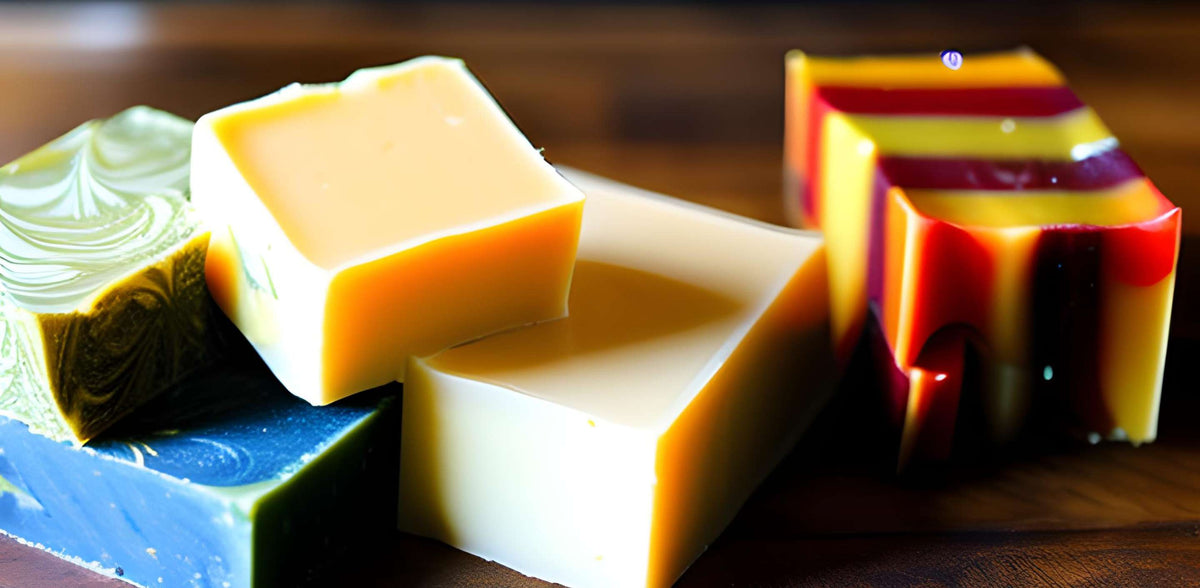
Handmade Soap vs. Commercial Cleansers: What Actually Matters
There is a real difference between handmade soap and many commercial cleansing bars. But it isn't that one is automatically good and the other is automatically bad. The differences come down to chemistry, formulation, manufacturing choices, and the experience you want from a cleanser.
At Prohibition Soap, we make small-batch soap because we care about the process and the ingredients. That is a better story than claiming every synthetic ingredient is harmful or every natural ingredient is a miracle.
First, What Counts as Soap?
In the traditional sense, soap is made through saponification: fats or oils react with an alkali to form salts of fatty acids. Those soap molecules help lift oils and dirt so they can be rinsed away.
Many bars sold in stores are instead synthetic detergent bars, also known as syndet bars. They use different cleansing ingredients, which can be useful for particular skin types and formulations. Liquid body washes likewise often use synthetic surfactants. That doesn't make them inherently unsafe, and it doesn't mean they cannot be mild.
Even the FDA makes a distinction between products that meet the traditional definition of soap and other cleansing products. Ingredients and the actual formulation matter far more than whether the packaging says “natural.”
What Makes Handmade Soap Different?
The meaningful advantage of a small-batch operation is control. A maker selects the types and proportions of oils, designs the scent, chooses textures and additives, and can pay close attention to the finished bars. Customers get a product with a specific formulation and a genuine story behind it.
Small-batch doesn't eliminate the need for careful measurements, safe procedures, or quality checks. It makes those decisions personal rather than invisible. And handmade is not a synonym for hypoallergenic or medically therapeutic.
Cold Process, Melt and Pour, and Why They Aren't Identical
Cold-process soap is formulated from oils or fats and an alkali solution. Once mixed and poured, it saponifies, sets, and is cut and cured. Curing helps excess water evaporate and generally improves the bar's firmness and longevity.
Melt-and-pour soap starts with a prepared soap base that is melted, customized, and poured into molds. It hardens on cooling and does not require the same post-pour cure as cold-process soap. We use both methods across our product lineup, and each deserves to be described accurately.
For more of the actual production story, see From the Mixing Pot to the Cigar Band once that behind-the-scenes article is published.
What About Glycerin?
Glycerin is formed during traditional saponification and is a humectant, meaning it attracts water. Glycerin can contribute to a formulation's feel, but it is not a guarantee that a finished bar will moisturize every person's skin. Some commercial soaps retain glycerin; some manufacturers also add glycerin to products. The idea that all mass-market soap is stripped of glycerin is inaccurate.
Does Natural Mean Gentler?
Not automatically. Essential oils, fragrances, and botanical extracts can irritate sensitive skin in some people. Conversely, a well-formulated synthetic cleanser may be gentle and appropriate for dry or reactive skin.
Traditional soap is generally alkaline, and the skin surface is mildly acidic. That difference can matter, particularly if someone washes frequently or has a compromised skin barrier. Calling every high-pH soap “gentle” solely because it is handmade would skip important chemistry.
What helps is choosing a product suited to your skin, avoiding ingredients you know you react to, rinsing thoroughly, and adjusting how often you cleanse. Persistent irritation or eczema deserves appropriate medical guidance, not grand promises from a bar of soap.
What About Sustainability?
Environmental impact depends on more than a “natural” label. Consider sourcing, transport, the specific ingredients used, packaging, manufacturing, and how long a bar lasts. Some plant-derived materials have their own sustainability tradeoffs. A responsible company should be willing to discuss those choices instead of claiming everything natural is automatically better for the planet.
Why We Still Choose Handmade
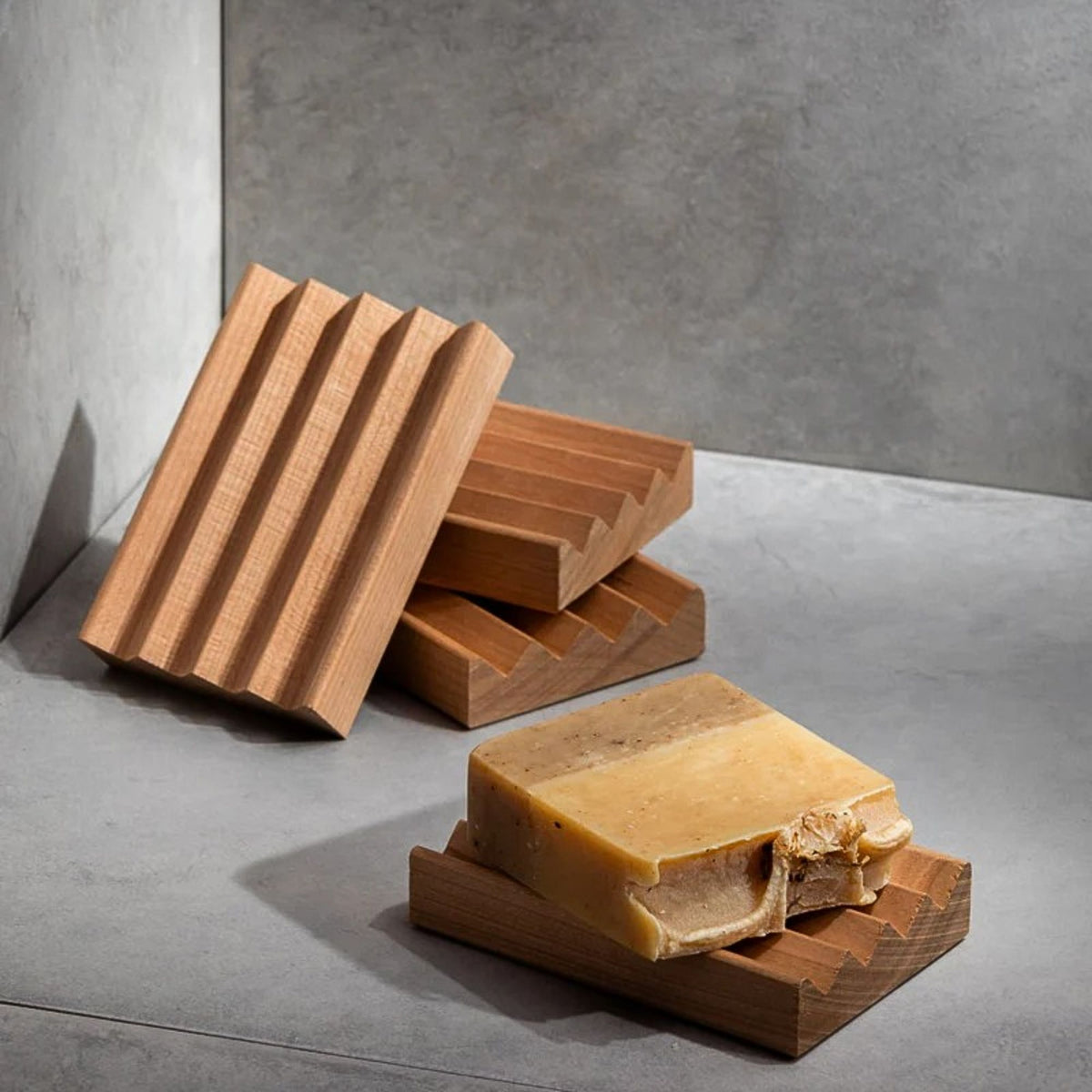
We believe in knowing what goes into our products and why. That includes quality ingredients selected for a purpose, distinctive scents, small batches, and honest explanations of what the formulas can and cannot do. Explore our bar soap collection to see the range.
The real reason to choose a handmade bar is not fear of “chemicals.” Everything is made of chemicals, including water and shea butter. Choose one because you like its formulation, fragrance, craftsmanship, transparency, and how it performs for you.
The Verdict
Handmade soap and commercial cleansers can both clean effectively. Neither category is universally superior. The difference that matters is the formulation and the attention paid to it. We think our handmade approach is worth sharing, and we would rather explain the chemistry than sell a scare story.

1 comment
Sure you are right, natural soap is the best,🥰😉🥰.