





Al Capone and the Rise of the Chicago Outfit
Chicago, 1925. The city was supposed to be dry. The liquor was flowing anyway, the money was piling up, and a 26-year-old gangster named Al Capone was about to take the big chair.
Welcome to This Thing of Ours, where we get into the bosses, the families, the betrayals, and the unwritten rules that shaped America's underworld. No Hollywood fairy tales necessary. The real stories are wild enough.
First up: Scarface himself.
From Brooklyn Street Tough to Chicago Kingpin
Alphonse Gabriel Capone was born in Brooklyn, New York, in January 1899, to Italian immigrant parents. He didn't inherit an empire. He learned the business on the streets, where street gangs and neighborhood rackets offered their own twisted version of a career ladder.
One of his most important connections was Johnny Torrio, an experienced gangster with bigger ambitions. Around 1920, Torrio brought Capone into his operation in Chicago. Talk about timing.
Prohibition had just arrived, making the production, sale, and transportation of alcohol illegal. The government figured banning booze might dry out the country. Instead, it helped create a market worth fighting and killing over.
Breweries went underground. Bootleggers moved the merchandise. Speakeasies poured the drinks. And the men who controlled the supply chain got rich.
A 26-Year-Old Takes the Big Chair
In 1925, after surviving an assassination attempt, Torrio stepped aside. Capone took over the organization that became known as the Chicago Outfit.
His operation reached far beyond whiskey and gin. Gambling, prostitution, protection rackets, political payoffs, and intimidation all helped keep the machine running. Capone's people understood that controlling a city wasn't only about carrying guns. It was about controlling businesses, neighborhoods, officials, and the cash moving through them.
Capone also cultivated a public image. Expensive suits, conspicuous spending, and interviews made him a celebrity gangster. But behind the grin was an organization that used violence to settle its disputes.
In this line of work, hostile takeovers weren't handled by lawyers.
Who Was Actually in the Outfit?
This is where the movies have confused a lot of people. Being connected wasn't necessarily the same thing as being a formally recognized Mafia member.
The Outfit included bosses, trusted lieutenants, gang leaders, earners, enforcers, and associates. Some ran illegal businesses. Others collected money, maintained political connections, or carried out orders. Plenty of outsiders did business with the organization without belonging to its inner circle.
Formal Mafia membership, with its rituals and restrictions, became especially associated with the American Mafia families that developed in New York. Chicago had its own history, power structure, and traditions. Treating every member of Capone's criminal network as a formally inducted 'made man' would be rewriting history.
Still, the underlying rules weren't hard to understand: earn money, respect the hierarchy, be useful, and don't talk to the authorities. Loyalty wasn't a corporate value printed on a break-room poster. It was a survival strategy.
Seven Bodies on Valentine's Day
On February 14, 1929, seven men associated with rival gangster George 'Bugs' Moran's organization were shot dead in a Chicago garage. Some of the attackers posed as police officers. The killings became known as the St. Valentine's Day Massacre.
The massacre was widely attributed to Capone's organization, but Capone himself was in Florida at the time, and his personal responsibility was never proven in court. The headlines were enough to cement his reputation as America's most notorious gangster.
For a man who liked the spotlight, this was a kind of publicity that invited a whole lot of unwanted attention.
Capone and the Southside Cocktail
Now for a little business behind the bar.
The Southside is a gin cocktail built around fresh citrus, mint, and a touch of sweetness. It's also famously linked to Capone, with the enduring story that it was his favorite drink.
Here's the catch: the cocktail's exact origins are disputed, and there's no solid historical proof that Capone ordered it as his regular. It makes for a hell of a legend, but a legend it remains.

We've already dug into the drink's backstory and how to mix it yourself. Read The Southside: Al Capone's Favorite Prohibition Cocktail over in Cocktail Corner.
It's a fitting connection for a blog about a man who made a fortune supplying a country that supposedly wasn't drinking.
The Taxman Gets His Cut
For all the bootlegging, violence, and corruption tied to Capone's empire, the case that finally put him away was about something considerably less glamorous: income taxes.
Federal investigators built a tax-evasion case against him, and in 1931 he was convicted and sentenced to 11 years in prison. He eventually served time at Alcatraz. By the time he was released in 1939, his health had deteriorated badly.


Capone died in Florida on January 25, 1947, at the age of 48.
The man was gone. The Outfit wasn't.
The Boss Is Gone. The Story Isn't.
Capone's name still conjures up sharp suits, hidden bars, and tommy guns. But the actual history is darker than the legend. The Chicago Outfit was a ruthless criminal enterprise whose success depended on intimidation, corruption, and bloodshed.
And Capone is only the opening chapter of This Thing of Ours. There are more bosses, families, power struggles, and betrayals coming. Plenty of names you know, and some you probably should.
A Little Something from the Joint
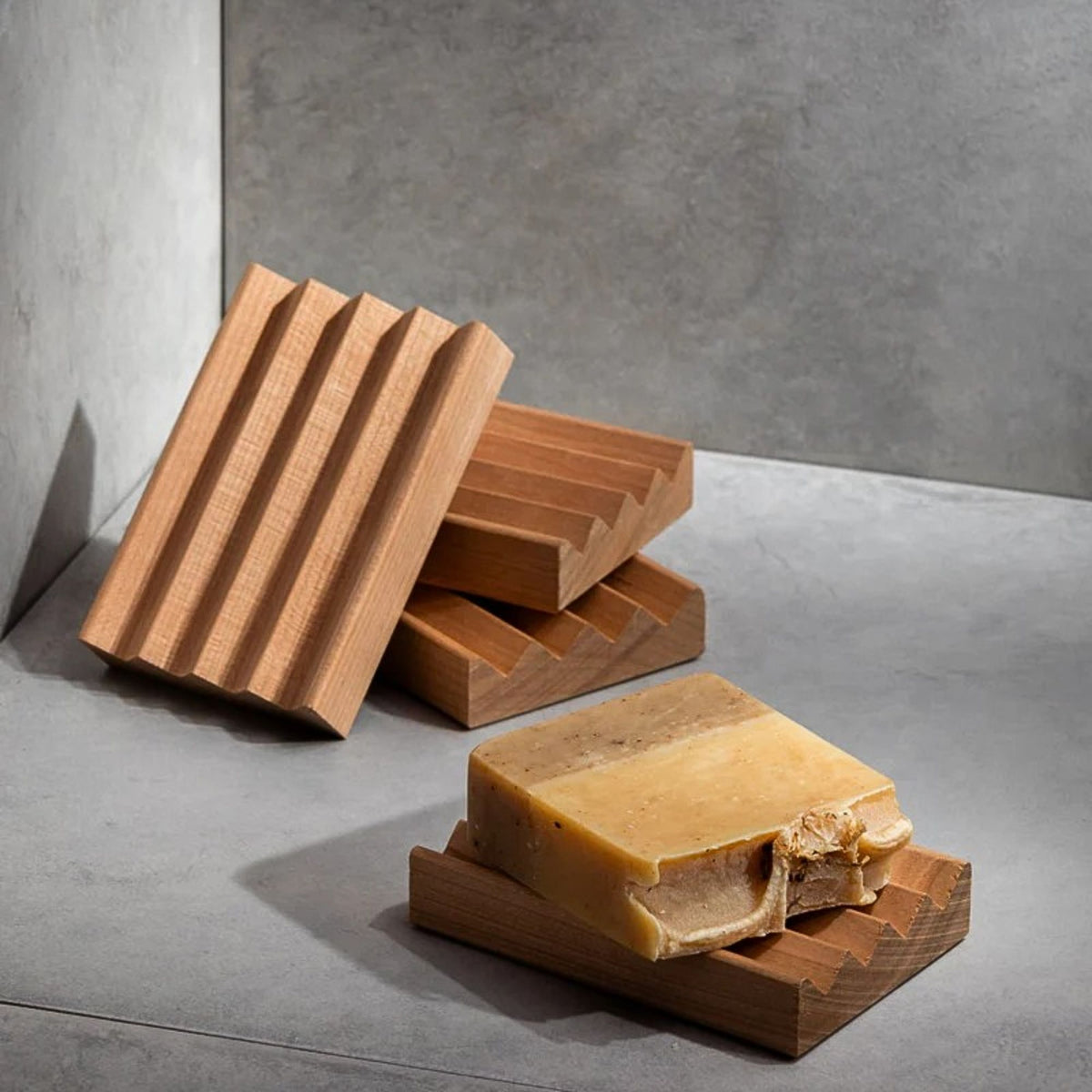
Prefer your Southside without the gin? Our Southside Bar Soap takes inspiration from the legendary cocktail, with bright citrus notes and a clean finish.
Same Prohibition-era inspiration. Considerably fewer federal indictments.
Soap so good it's criminal.
Sources & Further Reading
Want to dig deeper into the real history behind the legend? These are excellent places to start:
- FBI: Al Capone. Historical profile covering Capone's early career, the Chicago Outfit, gang conflicts, prosecution, and imprisonment.
- National Archives: Al Capone's Guilty Verdict. Original court records documenting his 1931 federal tax-evasion conviction.
- HISTORY: Al Capone. A fuller biography of his rise, criminal empire, and downfall.
- Liquor.com: South Side Cocktail. The drink's history, disputed origins, and recipe. Its connection to Capone is best treated as cocktail folklore, not verified fact.
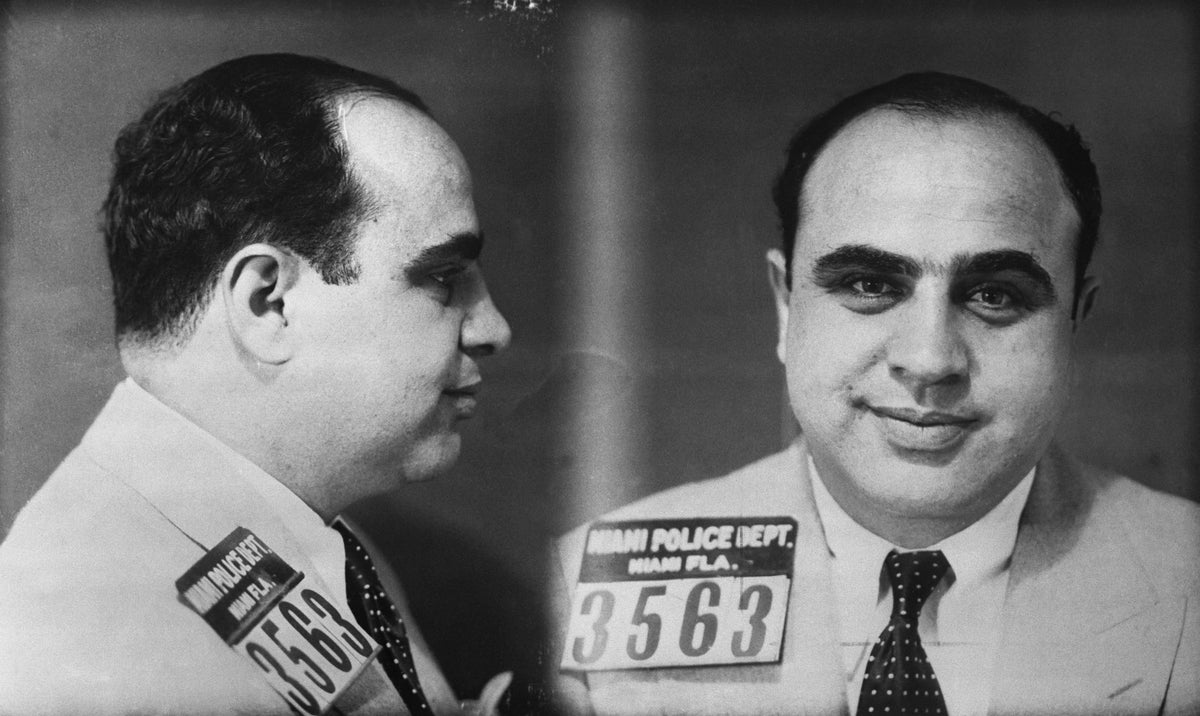
Historical photo credits: Al Capone in Miami, 1930 (featured photograph), and Al Capone arrest record, 1929 (article image), via Wikimedia Commons.
