

What Your Beard Wash Actually Needs to Remove
Somewhere between yesterday's beard oil, this morning's balm, and the coffee you spilled before lunch, your beard picked up a few passengers. It may look fine in the mirror. That doesn't mean it's clean.
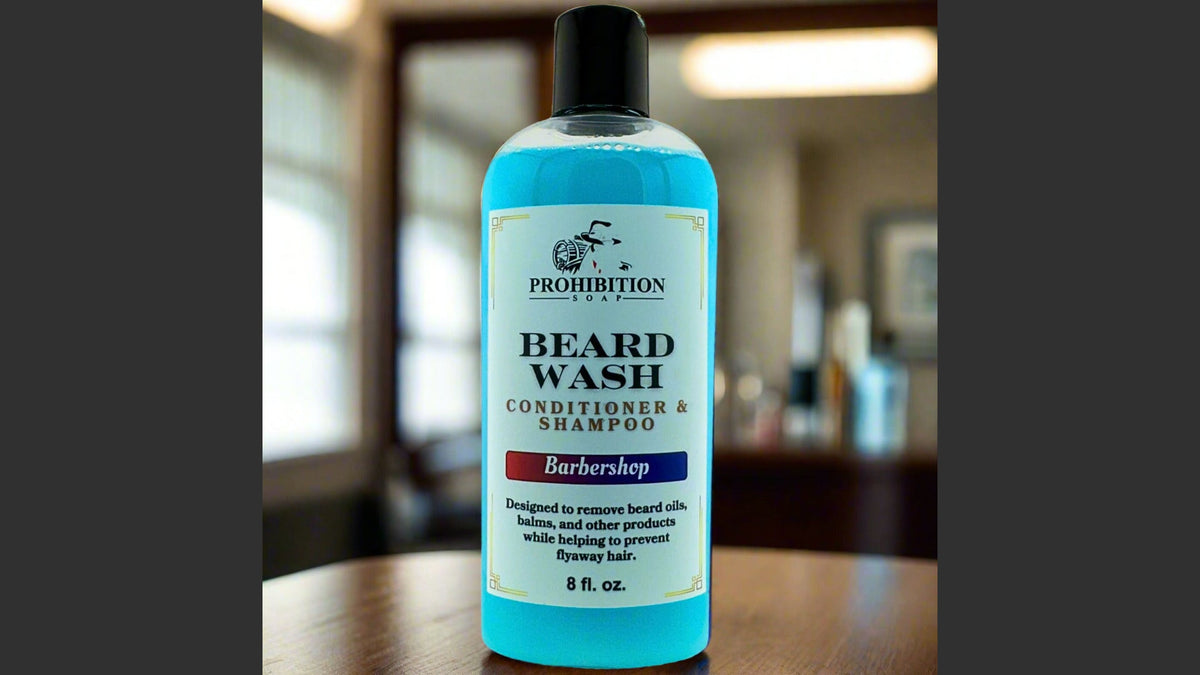
Beard wash has a simple job: remove unwanted buildup from facial hair and the skin beneath it. That's different from what oil, balm, butter, and wax are designed to do. Understanding the difference keeps a grooming routine simple instead of turning your bathroom counter into a chemistry experiment gone wrong.
What Actually Builds Up in a Beard?
A beard collects the same things as the hair on your head: naturally produced skin oil, sweat, dead skin cells, environmental dust, and the residues of products you apply intentionally. Facial hair also has the added inconvenience of sitting next to your mouth. Lunch becomes a contributing factor.
Those materials don't all wash away with a quick splash of water. Oils and waxy substances are especially stubborn because they don't dissolve readily in water.
1. Beard Oil and Natural Skin Oils
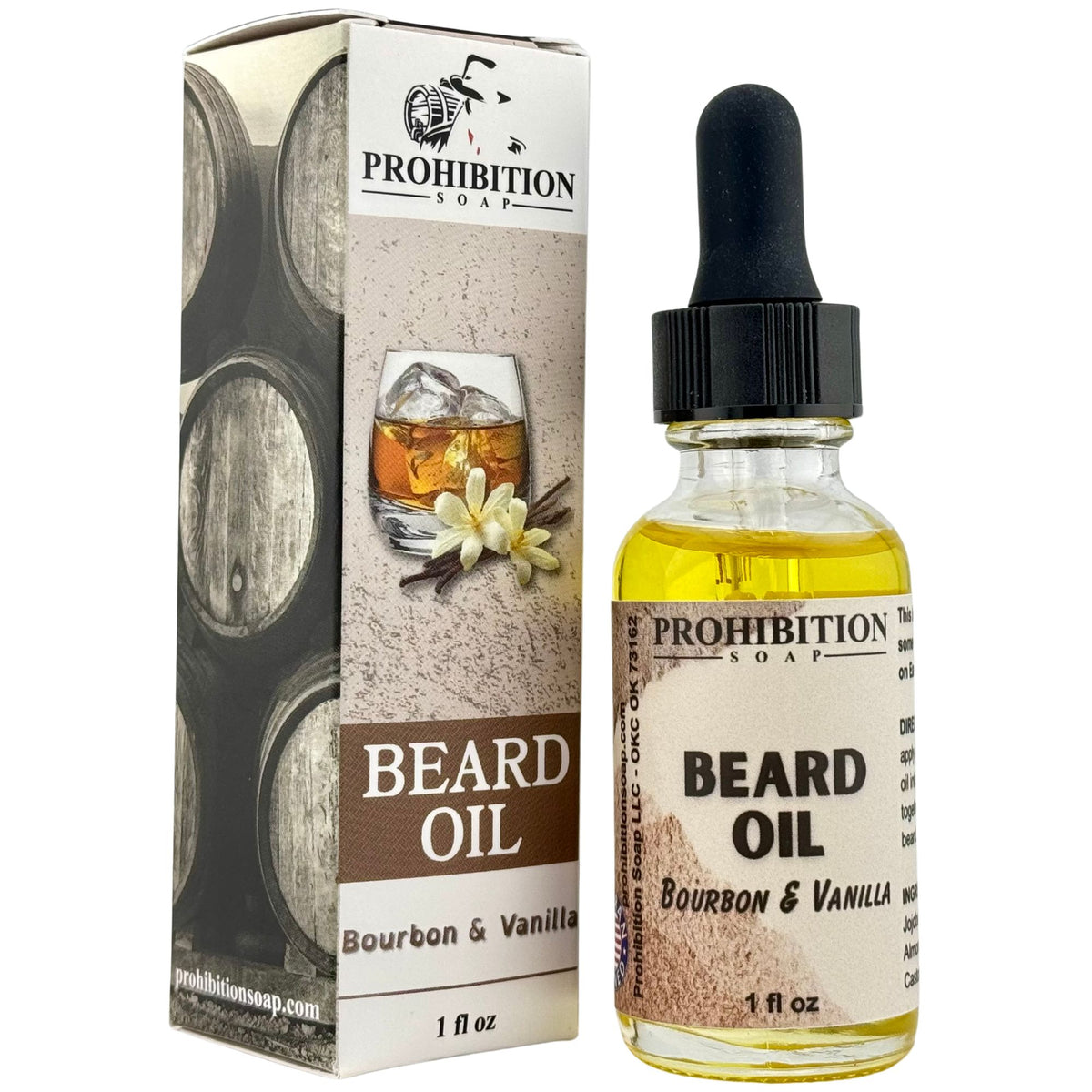
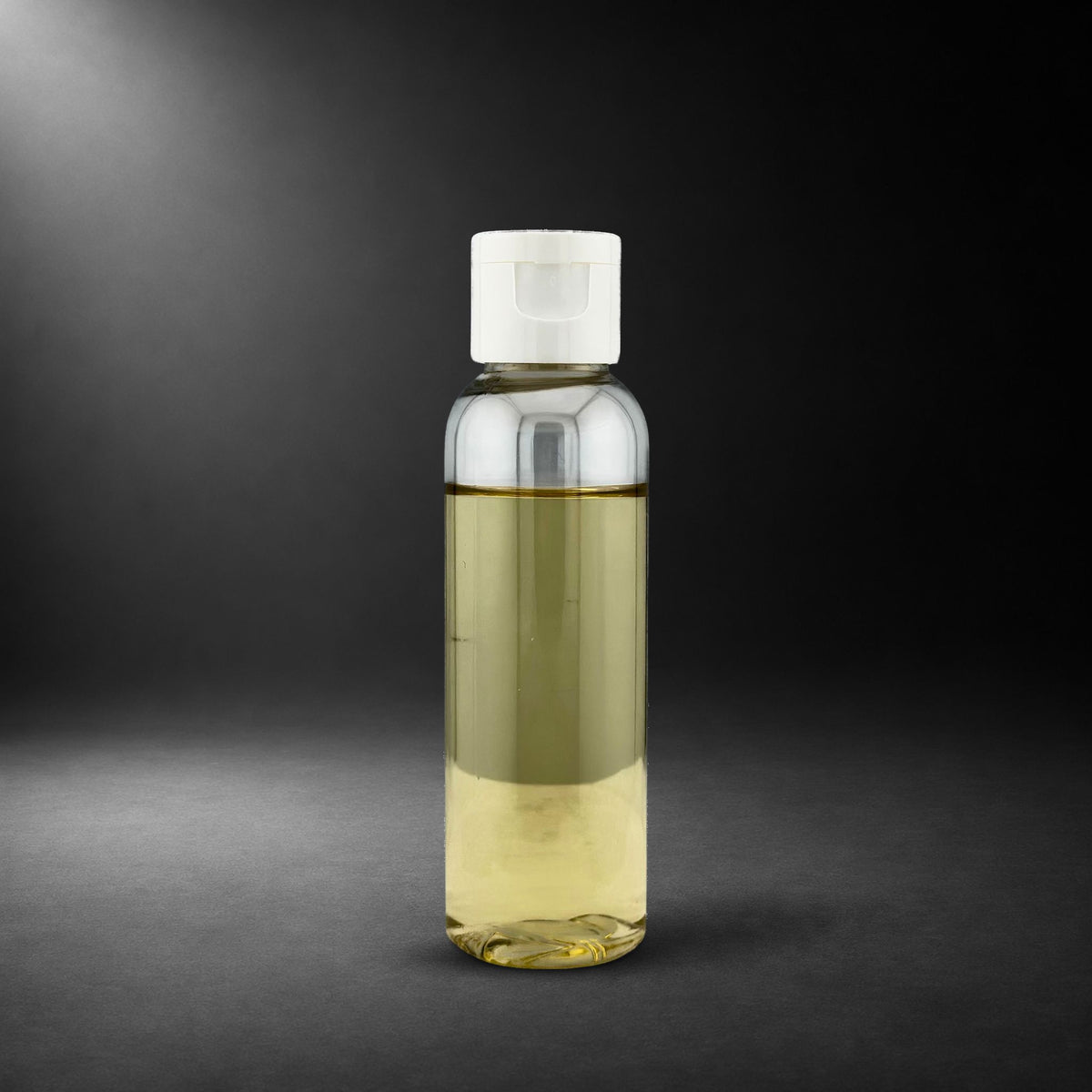
Leave-in beard oil conditions the hair and helps reduce a dry, rough feel. We use a blend of plant-derived oils in our beard line, including jojoba, argan, grapeseed, sweet almond, apricot kernel, and castor oils. Those oils are chosen for complementary feel, spreadability, and conditioning characteristics.
That doesn't mean you want an unlimited amount sitting on the hair. Repeated applications can leave residue, especially if you use more than your beard needs. The skin also contributes sebum, its naturally produced oil.
Why does a wash help? Most cleansers use surfactants: molecules with water-attracting and oil-attracting portions. They allow oily residues to be loosened, dispersed, and rinsed away. This isn't mysterious chemistry. It's why a suitable cleanser can remove oily buildup that plain water cannot.

2. Balm, Butter, and Mustache Wax
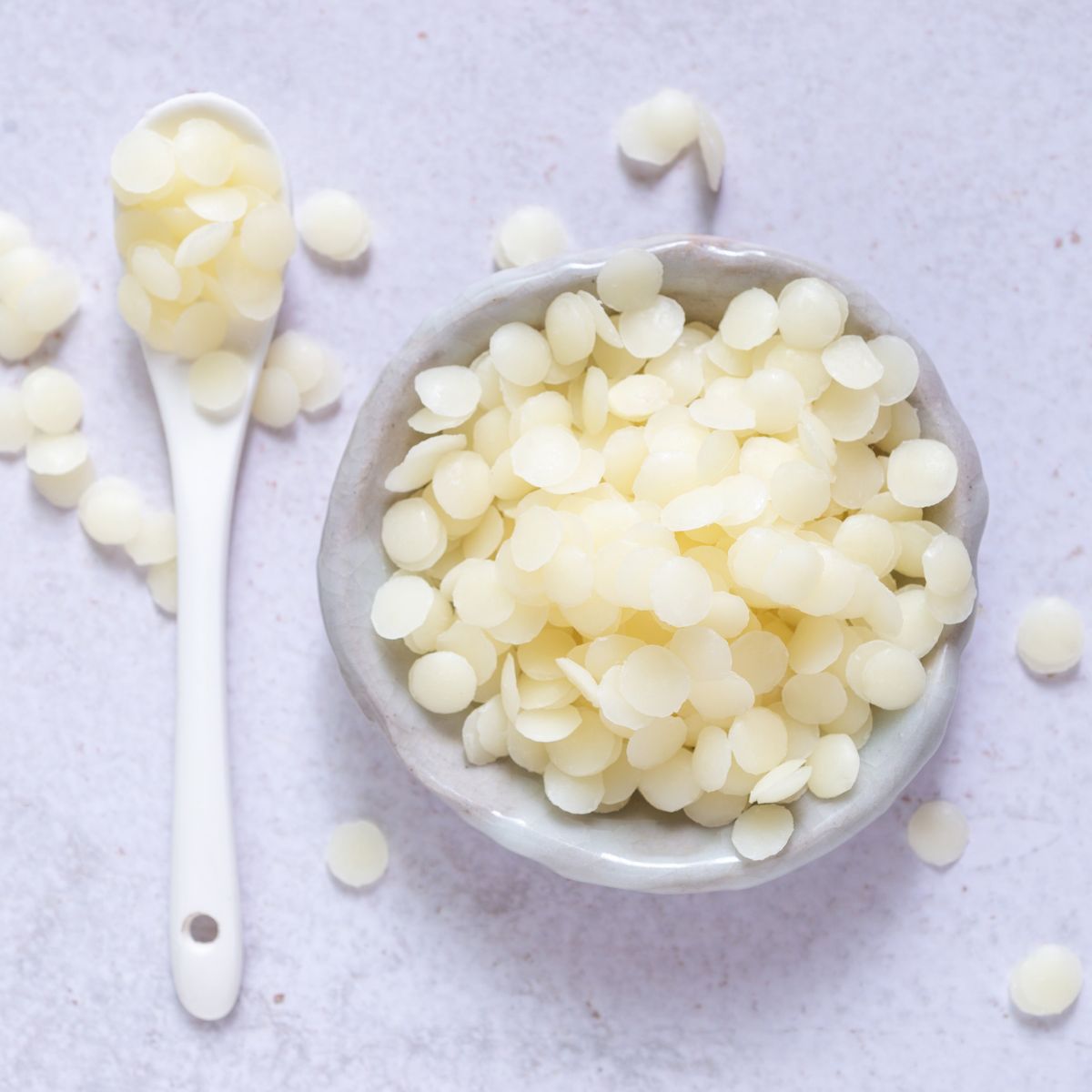
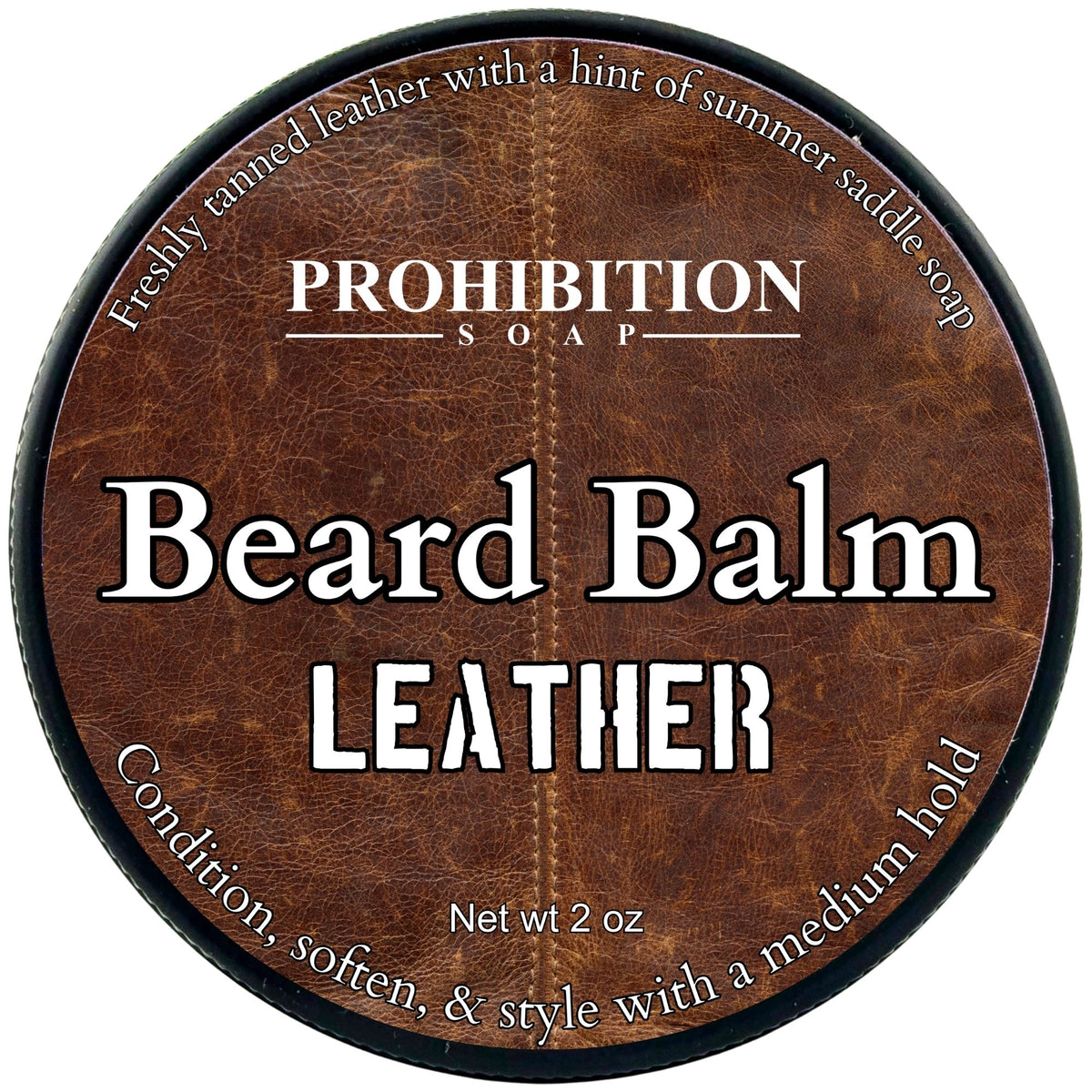
A beard balm earns its place with some combination of conditioning and styling control. In our balm, mango butter, shea butter, and white beeswax contribute to the formula's texture and performance. Beard butter is a different experience, emphasizing rich conditioning rather than the styling structure of a wax-containing balm.
Those ingredients can cling to hair, which is exactly what you want when you're trying to control unruly whiskers. But waxes and rich emollients also make the case for a proper wash. Splashing water over yesterday's balm won't necessarily reset the slate.
The same is true of mustache wax. If a product is formulated to stay put, it may take more than a few seconds under the faucet to remove it.
3. Sweat, Dust, Food, and Everything Else
Outdoors all day? At the gym? Working around dust or fragrances? These conditions change how frequently your beard needs cleaning. The goal isn't a rigid schedule; it's a clean beard without unnecessary irritation.
If you're dealing with persistent flaking, burning, or an inflamed rash, ordinary product buildup may not be the whole story. Skin conditions such as seborrheic dermatitis or contact dermatitis can also affect the beard area. A beard wash isn't a substitute for appropriate medical assessment when symptoms persist.
How Surfactants Clean Without a Sales Pitch
Some brands talk about cleansers as if they must either be completely natural or dangerously harsh. That's not how cosmetic chemistry works. Cleansing performance and skin tolerance depend on the whole formulation, including surfactant type, concentration, other ingredients, and how often it's used.
A stronger wash may remove heavy residue effectively but feel drying when used too often. A milder formula may feel comfortable yet require a little more attention to remove thick wax buildup. The right fit depends on your routine.
How to Wash a Beard Properly
- Wet the beard thoroughly with comfortable, warm water.
- Apply an appropriate amount of beard wash. Work it through the hair and gently down to the skin.
- Pay attention to the chin and mustache, especially after using balm or wax.
- Rinse completely rather than leaving traces of cleanser behind.
- Pat the beard dry. If desired, apply beard oil and then balm or butter according to your styling needs.

How Often Should You Wash?
There's no universal number. People who use a lot of products or work in dirty environments may need to cleanse more often than someone with a short beard and a light oil routine. If your beard feels coated, it might be time. If the skin feels uncomfortably tight after washing, reconsider frequency and product choice.
It helps to understand the rest of the lineup too. See our guide to beard oil versus balm versus butter. Wash removes residue; these products serve different conditioning and styling roles.
The Verdict
You don't need a 12-step grooming routine. You need to know what each product actually does. Wash the buildup off when it needs removing, condition the clean beard, and move on with your day. That's better than stacking another layer of product on top of a mystery coating.